
Hemp: Nature’s Carbon-Capturing Crop
Hemp is more than just a versatile plant—it’s a powerful tool in combating climate change. When optimized with biostimulants like Karyotica’s products, hemp cultivation becomes even more effective at carbon sequestration.
The Carbon Sequestration Power of Hemp
How Hemp Captures Carbon
Hemp plants actively absorb CO₂ from the atmosphere during growth. A single acre of hemp can:
- Sequester 8-15 tons of CO₂ during growing season.
- Grow rapidly — Reaches maturity in 3.5-4 months.
- Regenerate soil — Extensive root systems improve soil health.
- Reduce erosion — Dense cultivation prevents soil degradation.
The Full Lifecycle Carbon Benefit
Beyond growth, hemp products provide lasting carbon benefits:
- Durable Products — Hemp textiles, composites, and construction materials store carbon long-term.
- Biomass Energy — Hemp processing biomass can replace fossil fuels.
- Soil Sequestration — Organic matter enriches soil carbon content.
Optimizing Hemp with Biostimulants
Why Biostimulants Matter for Hemp
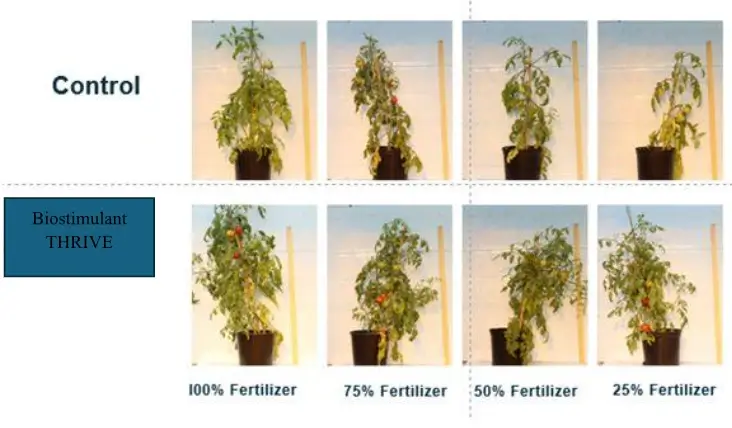
Hemp is a demanding crop requiring rapid growth and nutrient uptake. Karyotica biostimulants:
- Accelerate Growth — Speed hemp to maturity, increasing carbon capture.
- Improve Resilience — Help hemp withstand diverse climate conditions.
- Enhance Nutrition — Support protein and nutrient content.
- Maximize Yield — Increase biomass production and economic return.
Karyotica Products for Hemp
- On-Stim™ — Perfect for early-season growth acceleration and rapid establishment.
- pepstim-h™ — Ideal for field hemp cultivation, supporting robust plant development.
- peptex-plus™ — Suitable for controlled environment hemp production with optimized yields.
Hemp Farming Best Practices
- Soil Preparation: Conduct soil testing before planting. Incorporate organic matter. Ensure proper drainage. Apply pepstim-h™ for optimal soil microbiology.
- Planting Strategy: Plant at recommended density (90,000-100,000 seeds per acre). Apply On-Stim™ at germination for rapid establishment. Maintain consistent moisture for early growth.
- Growth Management: Apply biostimulants weekly during vegetative phase. Monitor nutrient levels. Manage pest pressure through preventive measures. Support tall varieties with appropriate cultivation.
- Harvest Optimization: Time harvest for maximum CBD/cannabinoid content. Use proper drying and processing techniques. Preserve biomass for additional carbon sequestration.
Carbon Accounting
Measuring Sequestration
When growing hemp with biostimulants:
- Higher Yields = Greater carbon capture
- Improved Soil = Additional soil carbon storage
- Reduced Inputs = Lower production carbon footprint
- Product Longevity = Extended carbon storage benefit
Environmental ROI
Hemp farmers using Karyotica biostimulants achieve:
- 40% more rapid growth
- 30% higher biomass production
- Improved soil health metrics
- Significant net carbon-positive operations
Environmental challenges demand radical carbon-reduction metrics, and hemp represents a practical, profitable solution. When combined with advanced biostimulants, it becomes even more powerful:
- Economic viability for farmers.
- Meaningful climate impact.
- Improved soil and ecosystem health.
- Renewable products and materials.
Karyotica: Supporting Hemp Farmers in Building a Sustainable, Carbon-Negative Future